

Overview
Rootly’s Nobl9 integration turns SLO alert policy violations into Rootly alerts. When Nobl9 detects that a service’s error budget has been exhausted or an SLO objective has been breached, it fires a webhook to Rootly which creates an alert automatically. Alerts created from Nobl9 include contextual labels pulled directly from the payload — service, project, severity, SLO name, alert policy, and organization — making it easy to route and filter alerts in Rootly.SLO-Driven Alerting
Alerts fire automatically when error budgets are breached or SLO objectives are violated.
Rich Labels
Each alert carries service, project, severity, SLO, alert policy, and organization labels from Nobl9.
Alert Routing
Route Nobl9 alerts to services, escalation policies, or teams based on label values.
Incident Escalation
Escalate Nobl9 alerts into full incidents when SLO violations require immediate response.
Before You Begin
- You must be a Rootly admin to set up the integration
- You must have access to Nobl9 with permissions to create Alert Methods and Alert Policies
Installation
1
Add the integration in Rootly
In Rootly, go to Settings → Integrations and find Nobl9. Click Connect.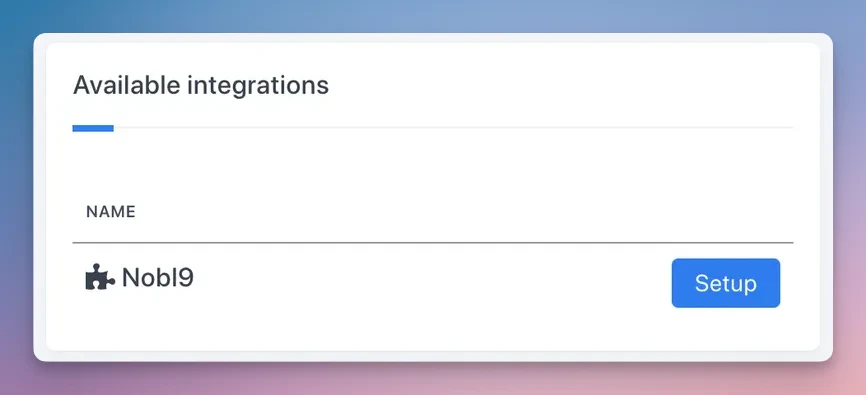
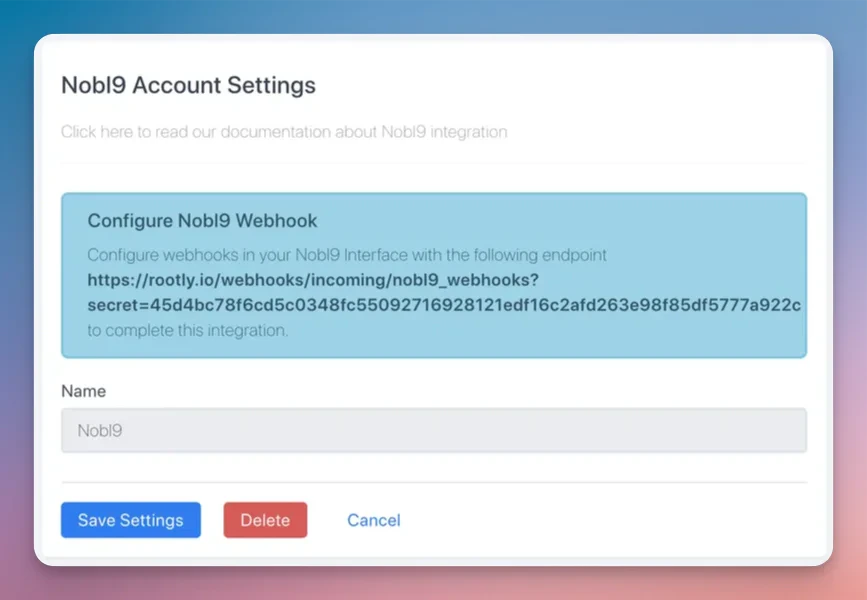
2
Create an Alert Method in Nobl9
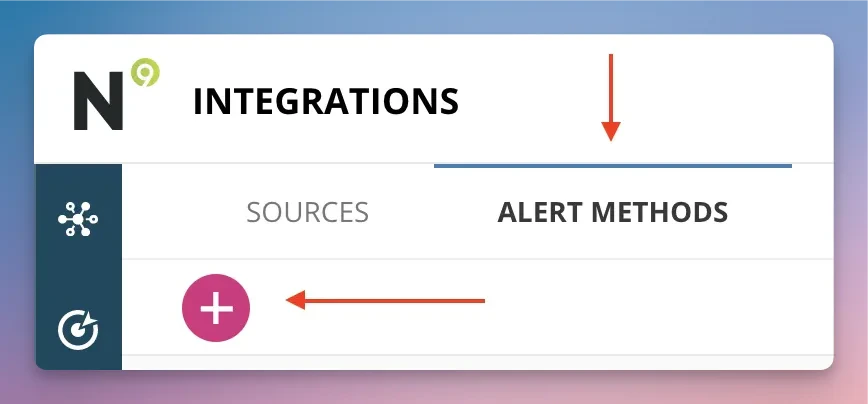
In Nobl9, navigate to Integrations → Alert Methods and click + Add Alert Method.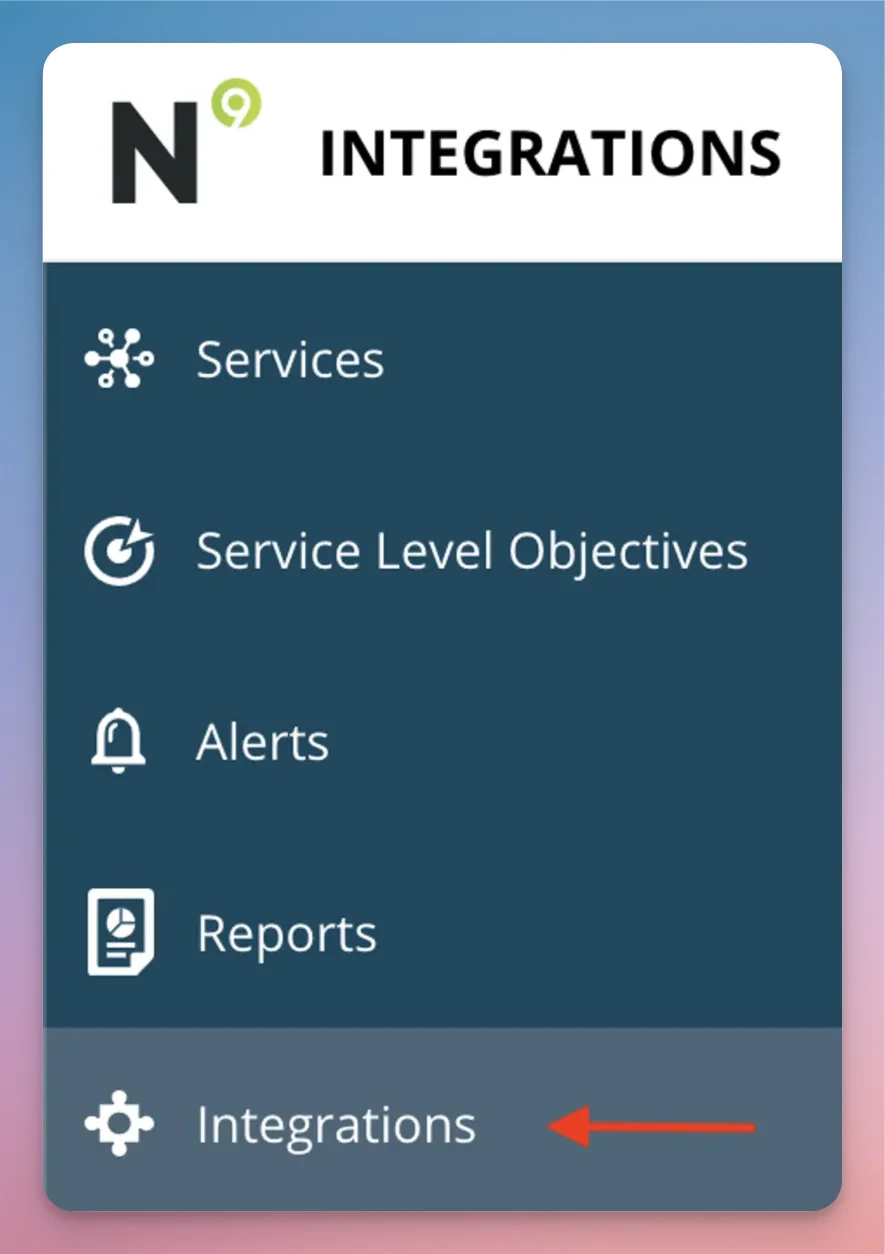
3
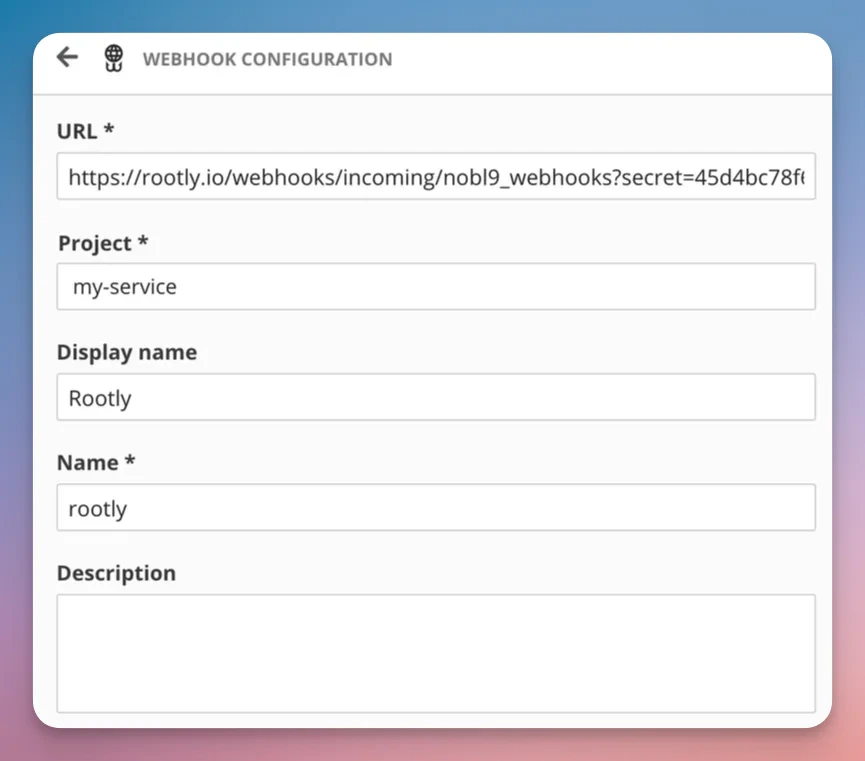
Configure as Webhook type
Select Webhook as the alert method type.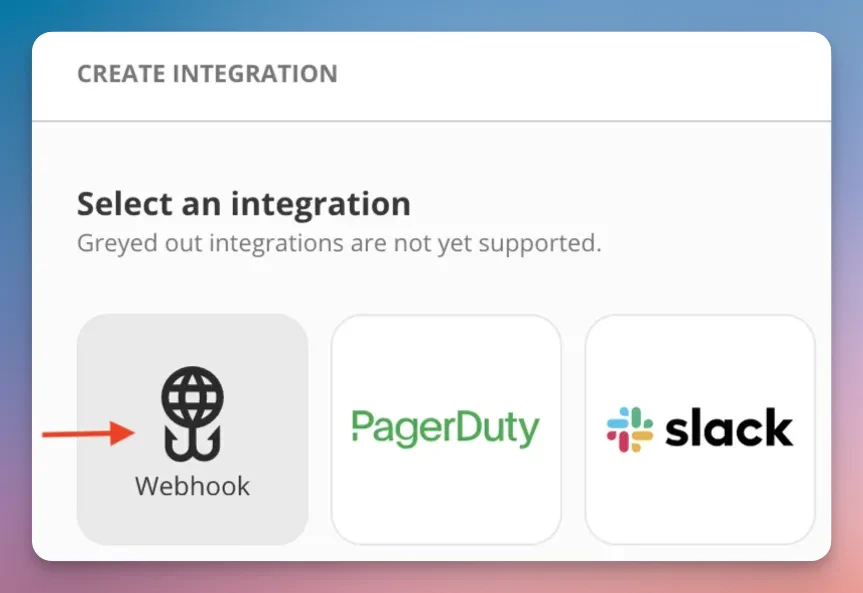
4
Attach to an Alert Policy
In Nobl9, open or create an Alert Policy and attach the Rootly alert method to it. Any SLO that uses this alert policy will now send alerts to Rootly when violated.
Alert Labels
When Nobl9 fires an alert, Rootly automatically extracts the following labels from the payload:
These labels can be used in Rootly to route alerts, set urgency, and filter in dashboards.
Uninstall
To remove the Nobl9 integration:- Go to Settings → Integrations and find Nobl9
- Click Connected to reveal the disconnect option
- Click Disconnect
Frequently Asked Questions
Do Nobl9 alerts auto-resolve in Rootly?
Do Nobl9 alerts auto-resolve in Rootly?
No. Nobl9 webhooks are fire-and-forget — they don’t send a resolve signal when the SLO recovers. Alerts created from Nobl9 must be resolved manually in Rootly or via a separate automation.
Can I route different Nobl9 alerts to different teams?
Can I route different Nobl9 alerts to different teams?
Yes. Use Rootly’s alert routing rules to match on labels like
service, project, or alert_policy and route to the appropriate team or escalation policy.Can I use one Rootly webhook for multiple Nobl9 alert policies?
Can I use one Rootly webhook for multiple Nobl9 alert policies?
Yes. The same webhook URL can be attached to multiple alert methods and policies in Nobl9. All alerts will flow into the same Rootly integration.
What does the alert summary look like in Rootly?
What does the alert summary look like in Rootly?
The alert summary is set from the
message field in the Nobl9 payload, which typically describes the SLO violation (for example, “Error budget exhausted for checkout-latency SLO”).