

Overview
Rootly’s Looker integration lets you capture snapshots of Looker dashboards during an incident and share them directly to the incident timeline or Slack channels. This keeps your team grounded in data during the response without leaving their incident workflow.Dashboard Snapshots
Capture a point-in-time snapshot of any Looker dashboard and attach it to the incident.
Post to Slack
Automatically share dashboard snapshots to incident Slack channels so responders have the data they need instantly.
Timeline Integration
Post snapshots directly to the incident timeline to create a visual record of system state during the incident.
Workflow Automation
Trigger snapshot capture automatically via workflows — on incident creation, severity change, or any other event.
Before You Begin
- You must be a Rootly admin to set up the integration
- You need a Looker instance URL and API credentials (Client ID and Client Secret)
- Use a service account in Looker rather than a personal account to prevent the integration from breaking if a user leaves
Installation
1
Open the integration in Rootly
In Rootly, go to Settings → Integrations and find Looker. Click Connect.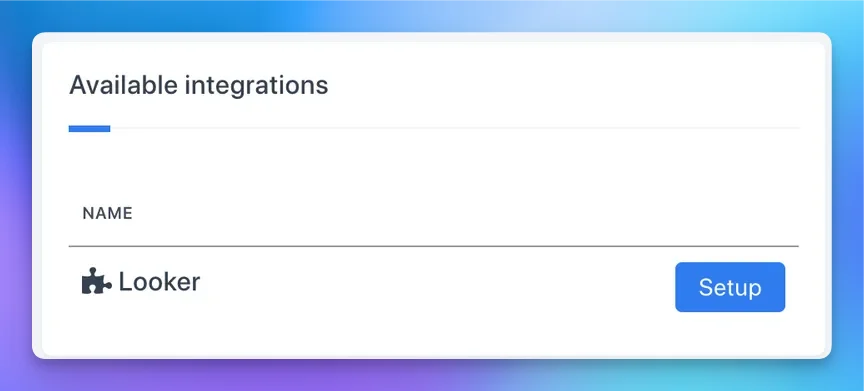
2
Generate API credentials in Looker
In your Looker instance, navigate to Admin → Users and select the user (or service account) you want to use for the integration.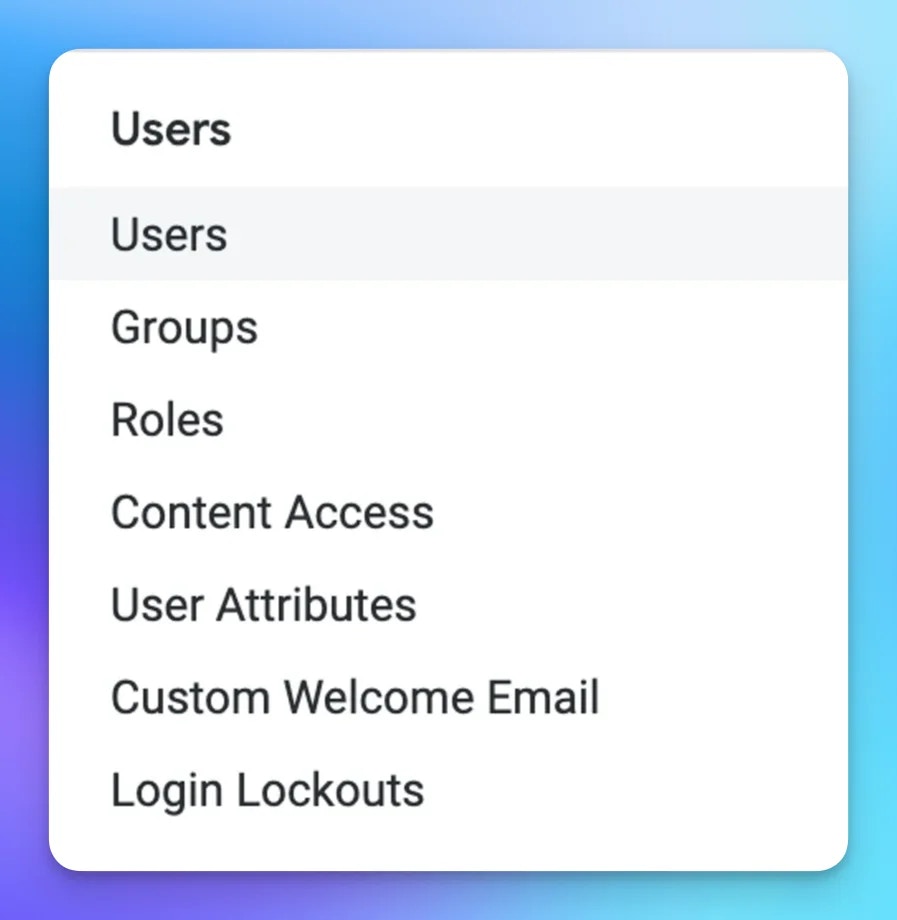
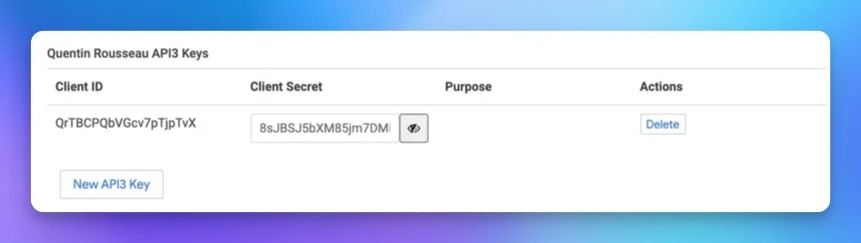
Rootly recommends using a service account rather than a personal user account to ensure the integration stays active if someone leaves your team.
3
Enter credentials in Rootly
Back in Rootly, enter your Instance URL, Client ID, and Client Secret, then click Connect.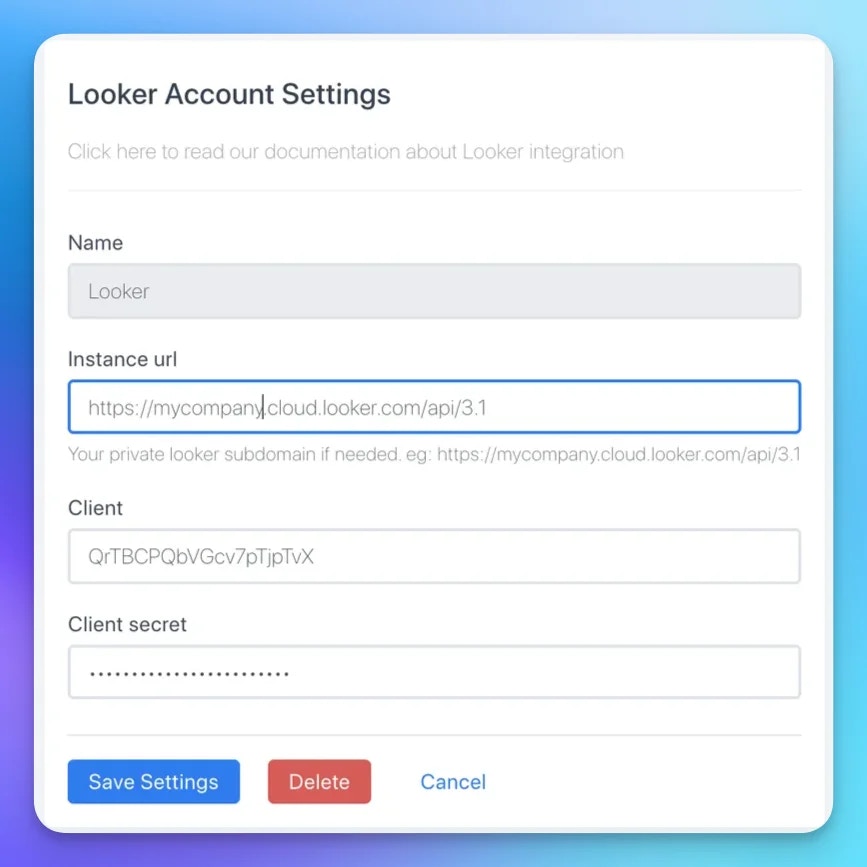
Workflow Action
Snapshot Looker Dashboard
Captures a snapshot of one or more Looker dashboards and optionally posts them to Slack or the incident timeline.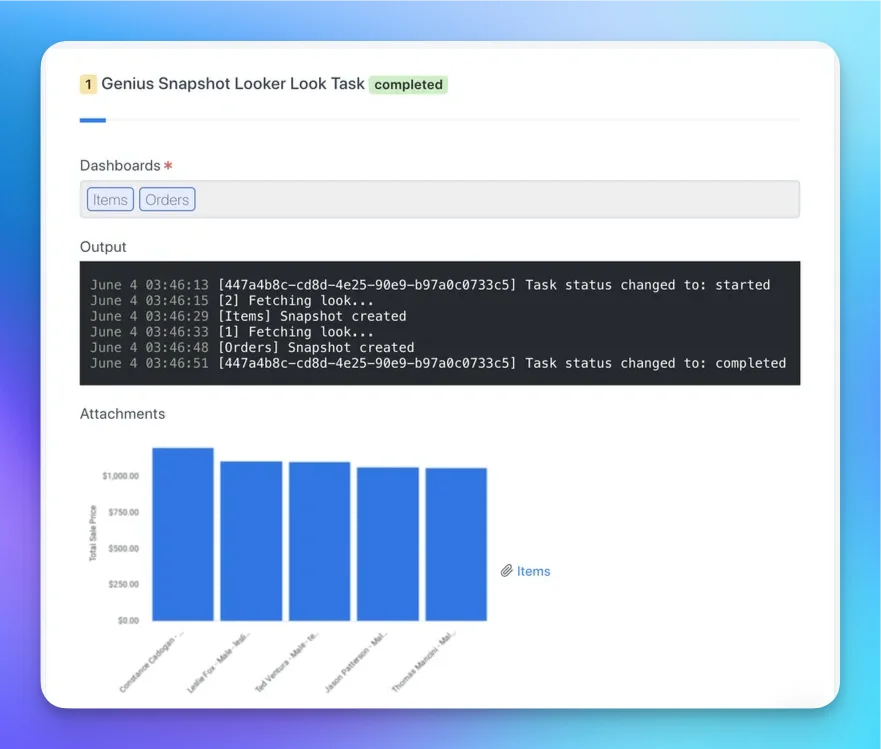
array
required
Select one or more Looker dashboards to snapshot. Populated from your connected Looker instance.
boolean
When enabled, attaches the snapshot to the incident timeline for a visual record of system state at the time of the snapshot.
array
Select one or more Slack channels to share the snapshot to. Use
{{ incident.slack_channel_id }} to target the incident’s dedicated channel.Uninstall
To remove the Looker integration:- Go to Settings → Integrations and find Looker
- Click Connected to reveal the disconnect option
- Click Disconnect
Frequently Asked Questions
Where do I find my Looker Instance URL?
Where do I find my Looker Instance URL?
Your instance URL is the base URL you use to access Looker, for example
https://yourcompany.looker.com. Remove any trailing slashes before entering it in Rootly.What permissions does the Looker API user need?
What permissions does the Looker API user need?
The API user needs at minimum see_looks_and_dashboards and access_data permissions to allow Rootly to list and snapshot dashboards. For user-defined dashboards, see_user_dashboards is also required.
Can I snapshot multiple dashboards in one workflow action?
Can I snapshot multiple dashboards in one workflow action?
Yes. The Dashboards field supports selecting multiple dashboards. Each selected dashboard will be snapshotted and shared.
Why is my dashboard not appearing in the dropdown?
Why is my dashboard not appearing in the dropdown?
The dropdown is populated from your Looker instance at the time the workflow is configured. If a dashboard was recently created, try reconnecting the integration or refreshing the page. Also confirm the API user has access to view the dashboard.